Opinion · Opinion
A Serious Mining Province Would Publish the Backlog
Opinion: BC should show the age and status of mining applications instead of making proponents guess.
Opinion: BC should show the age and status of mining applications instead of making proponents guess. That is the starting point for this opinion because the subject is not an abstract slogan to miners, contractors or rural communities. It affects whether people can get on the ground, raise capital, hire crews, buy parts, repair roads, plan reclamation and keep a season or project alive. In British Columbia, the distance between a government announcement and a working mine is often measured in years, and the people carrying the cost are rarely the people writing the policy language.
The editorial view here is direct: BC should be proud of responsible mining and should stop treating mineral development as a problem to apologize for. BC has world-class mineral potential, a long mining history and a supply chain that reaches from Vancouver finance to interior fabrication yards and northern service towns. It also has a regulatory system that now asks proponents to navigate mineral titles, Mines Act permits, water authorizations, environmental assessment, land-use constraints and consultation expectations that are changing quickly. The backlog issue sits inside that broader system. The province can say it wants mining, but the market judges the province by decisions, not adjectives.
For the mining industry, the issue is not whether standards should exist. Serious operators expect standards. Placer miners know water management matters. Exploration companies know reclamation and access planning matter. Producers know tailings, closure, wildlife, heritage and community agreements matter. The conflict comes when the standard is unclear, the reviewer changes, the timeline slips and the proponent cannot tell whether the problem is technical, political or administrative. That uncertainty is now one of BC's most expensive mining inputs.
Mining critics often speak as if supply chains are theoretical. Workers and operators know the metals come from places, equipment, risk and decisions. The pro-mining argument is not a demand for automatic approval. It is a demand for competent government. A responsible jurisdiction can say yes, no or yes with conditions, but it must say it with reasons and within a timeline that lets capital make decisions. If the file around opinion becomes another open-ended process, the result will not be better environmental management. The result will be fewer applications, fewer field programs, less local work and more investment moving to places where process risk is easier to price.
The stakes around transparency are where the policy debate becomes real. Mining is not only a commodity chart or a ministerial press release. It is drillers, excavator operators, mechanics, environmental technicians, Indigenous contractors, camp cooks, surveyors, helicopter pilots, sample prep workers, assayers, truck drivers and accountants. When a file stalls, those people do not get a theoretical delay. They get a cancelled shift, a postponed contract or a town council wondering why promised activity did not arrive.
The current government deserves criticism when its policies create uncertainty, delay and land-access risk while still claiming to support critical minerals. Those goals do not have to be mutually exclusive, but they become contradictory when government refuses to define how conflicts end. Consultation cannot be meaningful if it has no shape. Reconciliation cannot be durable if it produces economic paralysis. Environmental review cannot build trust if it becomes a substitute for making hard decisions.
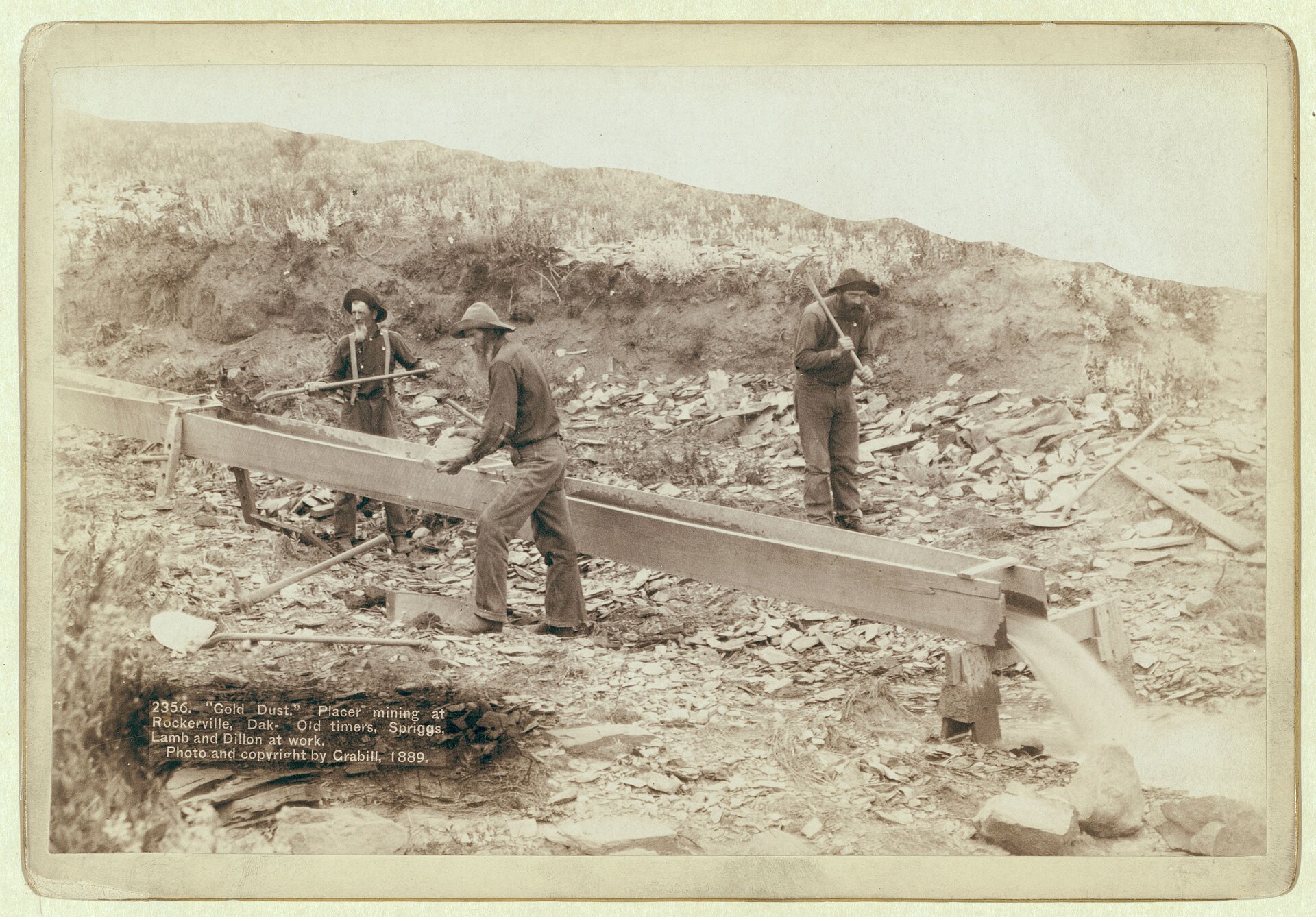
For placer miners, juniors and smaller operators, the pressure is sharper because they do not have unlimited consultant budgets. A major company can sometimes survive another quarter of process. A small operator may lose the season. A prospector may lose the claim package. A rural supplier may lose the work. That is why proportionality matters. The public interest is not served by forcing small, limited-disturbance work through friction designed for much larger projects.
A pro-mining province would defend workers, publish backlogs, protect access and judge policy by whether responsible projects can actually proceed. The operational steps are visible enough. Publish timelines. Show backlog data. Fund consultation capacity, but attach it to process discipline. Give regional offices enough authority to resolve routine issues. Separate news from opinion, and separate legitimate mitigation from political avoidance. If the province wants the world to believe BC is a mining jurisdiction, it should make the system legible to the people actually trying to work in it.
This is opinion, but it should still be tested against the public record. The sources attached to this article provide the base record: government policy pages, court decisions, project materials, industry reports and public commentary. The editorial conclusion is BC Mine Ledger's: responsible mining needs a government that treats mineral development as a core provincial interest, not a problem to be managed until proponents give up.
The practical test over the next few years will be simple. Does BC produce more mines, more responsible placer work, more exploration programs and more rural contracts, or does it produce more frameworks, pauses and unresolved maps? Readers should watch this file through that lens. A serious mining province is not measured by how many processes it creates. It is measured by whether defensible projects and responsible operators can move from application to work.
Source Notes
- BC critical minerals strategyProvincial critical minerals policy and investment messaging.
- Fraser Institute mining policy commentaryPublic commentary on consultation rules and investment uncertainty.
- BC Notice of Work permit guidanceProvincial guidance for Mines Act notice of work applications.